
ADVERTISEMENT








ADVERTISEMENT
Using Uber for rides, eats, and hotels-like planning through its travel options, I found the app built for quick decisions and repeat use. It consistently supports errands, airport trips, and city exploring.
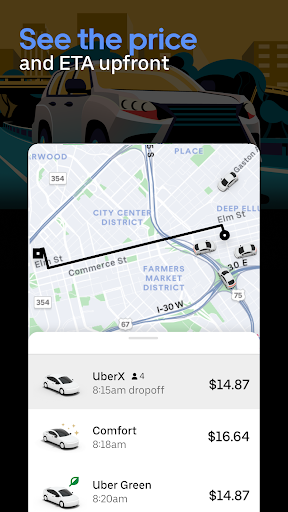
The flow starts with finding your ride type, setting pickup and drop-off, and confirming upfront pricing. I like that estimated arrival time appears early, which reduces last-minute uncertainty.
Uber also handles food delivery via Uber Eats, grocery runs, and essential shopping. For advertisers, this mix of mobility plus high-intent delivery can support higher value audiences.
From a reviewer’s perspective, the experience feels like a hub for everyday transportation and on-demand needs. That matters if you’re comparing it against platforms focused on only one service.
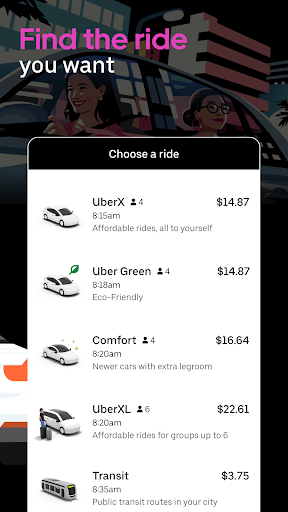
Another strength is how Uber accommodates different budgets and preferences, from UberX and Electric to Comfort, Black, and Premier. This range can attract premium travelers and enterprise expense travelers alike.
After payment selection, the next steps stay predictable: track arrival, communicate as needed, and ride with confidence. The app’s transparency supports trust, which is critical for both consumer and business use.
For hotels and trips, the online booking mindset helps users plan around time windows. Reserve rides in advance when schedules are tight, and align transport with check-in, meetings, or events.
1) Upfront pricing reduces fear of hidden costs. The app presents estimated time of arrival as you enter your destination, so expectations are aligned before you request.
2) Ride selection is broad, covering eco-friendly options, group rides up to 6, and luxury experiences. Uber Pet and scooter access also expand practical use cases for diverse riders.
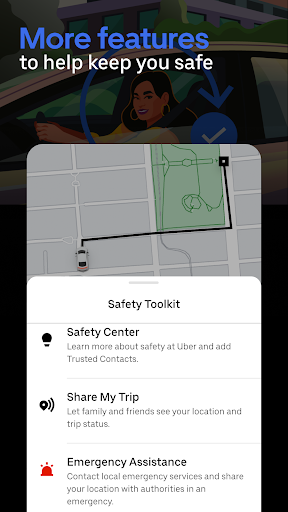
3) Safety features are a central theme. When every trip includes tools that help riders and drivers feel secure, the overall experience becomes more dependable.
4) Planning support is strong. Reserve rides in advance, choose Priority pickup, and use tools that make travel smoother when timing matters for commuting or meetings.
1) With many options like UberX Priority, Comfort Electric, Black, Taxi, and 2-wheels, some users may hesitate. Too many choices can slow first-time setup, especially on busy screens.
2) Even with transparency messaging, pricing can still feel complex. Shared rides, split fare, and different service tiers may require extra attention to understand what you’re paying.
3) Availability differs by city. The app lists several major areas and “more,” but travelers outside supported markets may face friction compared with local-only competitors.
4) The feature set is large: delivery, Connect, Transit, Charter, Business, Hourly, and car seats. This can feel like a portfolio rather than one streamlined product for newcomers.
1) Ongoing improvements to ride discovery and booking speed. The app continues refining how riders compare options, estimate arrival time, and confirm requests quickly.
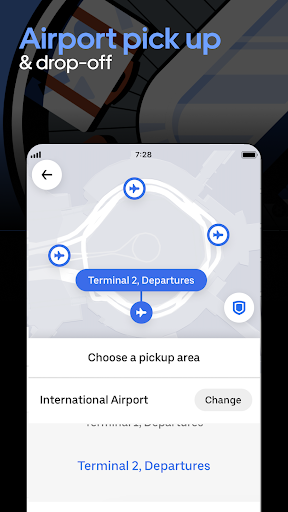
2) Enhanced pickup and coordination experience. Updates typically support clearer tracking and smoother communication so riders spend less time waiting and more time moving.
3) Broader delivery reliability for Uber Eats and same-day items. Connect-style delivery additions emphasize no-contact convenience, making it easier to support subscriptions and repeat orders.
4) Continued expansion of eco-friendly and premium mobility. More Electric and Comfort Electric availability aligns with sustainability goals and supports high-intent travelers choosing greener trips.
Overall, the latest direction focuses on trust signals like pricing transparency, stronger planning features, and expanding services around rides, eats, and travel needs. That combination can appeal to both consumers and high-value commercial audiences.


