
ADVERTISEMENT
ADVERTISEMENT
MyChart earns strong attention from high-value advertisers because it blends healthcare access with digital payments, scheduling, and secure records in one workflow.
From a reviewer’s perspective, setup is straightforward: download the app, find your healthcare organization, and sign up through the provider’s patient portal.
The login experience also targets convenience and trust, since fingerprint authentication or a passcode can replace repeated username and password entry.
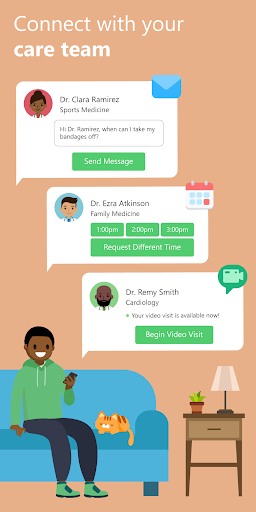
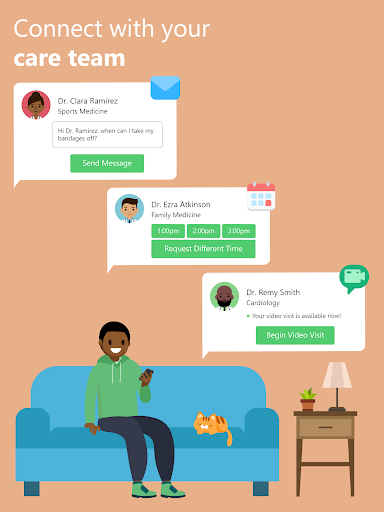
Communication features feel like enterprise-grade collaboration for patients, letting you message your care team without phone calls or fragmented email threads.
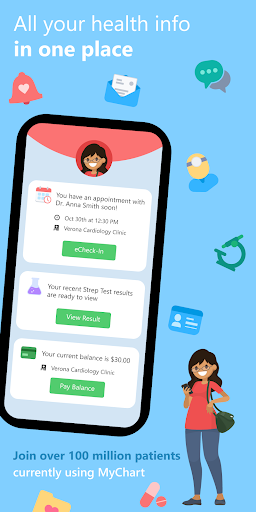
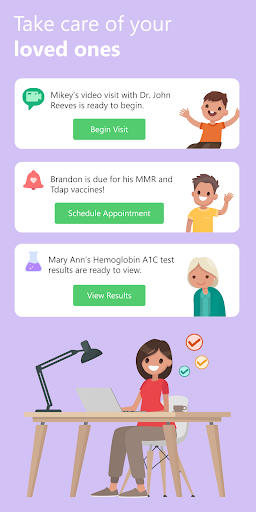
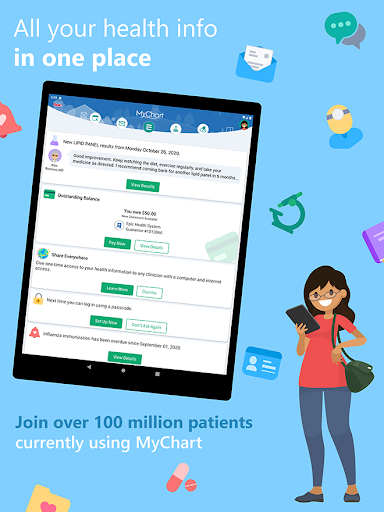
Reviewing test results and medications is the core value, and the app presents clinical details in a way that supports faster decisions and fewer follow-ups.
For monetization and financial planning interests, the app’s price estimates and bill viewing create a direct bridge between care and cost transparency.
When you link to Health Connect, MyChart pulls health data from personal devices, which resembles data integration patterns used in SaaS ecosystems.
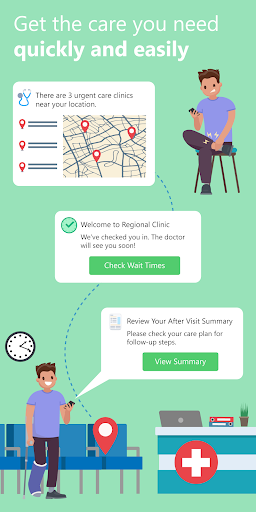
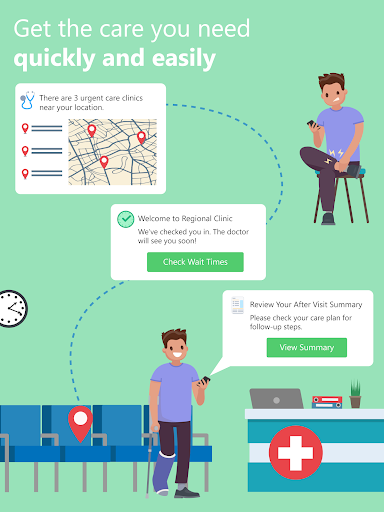
After Visit Summary® and provider notes add continuity for patients and families, which is especially useful when conditions, timelines, or medications are complex.
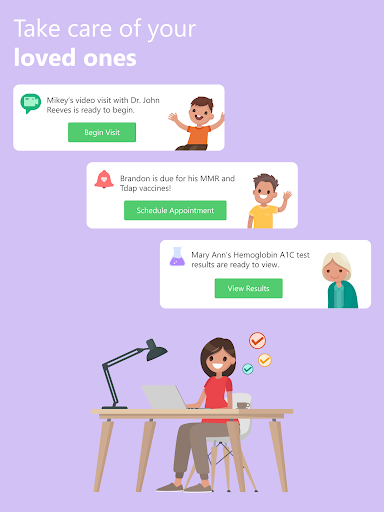
The reviewer experience is completed by appointment management, including video visits, which aligns with modern subscription and telehealth services.
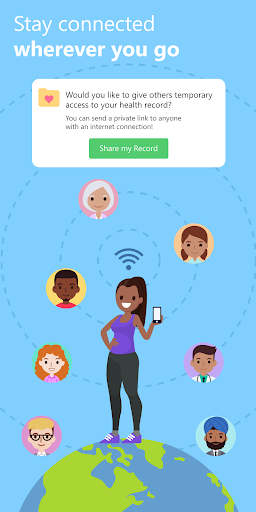
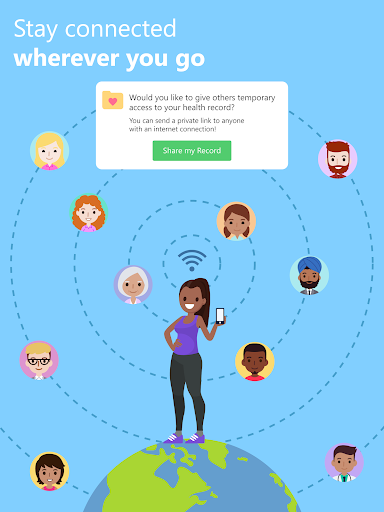
Secure sharing of medical records anywhere with internet access also supports high-intent use cases, such as insurance workflows and enterprise case management.
Finally, push notifications deliver timely updates, and the control is clear in Account Settings, which helps users manage engagement without surprises.
As always, availability depends on which features the healthcare organization enables and whether they use the latest Epic software version.
1) Messaging with your care team simplifies coordination and reduces the friction of calling offices or waiting for paper updates.
2) Centralized records make it easier to review test results, immunization history, and medication lists without switching between portals.
3) Health Connect integration supports modern data sync, bringing information from personal devices into one patient-facing dashboard.
4) Bills and payments, plus price estimates, help users plan financially and handle medical invoices from a mobile experience.
1) Feature availability can vary by healthcare organization, so users may expect a capability that is not enabled for them.
2) Some experiences may feel like they depend on the latest Epic software version, creating inconsistency across institutions.
3) New users must create an account with their organization, which limits instant access and increases onboarding steps.
4) Notifications are helpful but can become noisy if push settings are not configured carefully or if updates arrive frequently.
1) Recent versions emphasize smoother access to updates through push notifications, with clearer paths to manage settings in Account Settings.
2) Enhancements around data connectivity strengthen how health-related information appears when accounts are linked across organizations.
3) Improvements to appointment scheduling support both in-person visits and video visits, aligning with telehealth workflows.
4) Continued refinement of After Visit Summary® viewing helps patients revisit past visits, hospital stays, and shared clinical notes.


